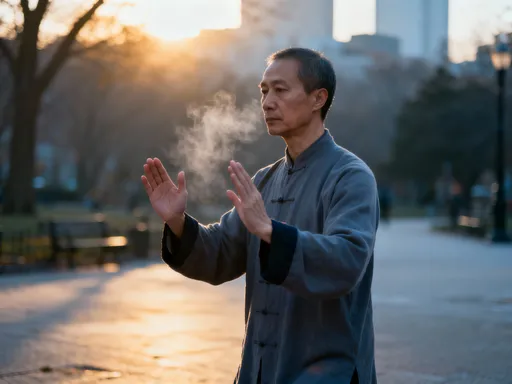
How Qigong and Food Habits Changed My Daily Energy — For Real
Have you ever felt constantly drained, even after a full night’s sleep? I was there—until I discovered how traditional Chinese medicine links qigong and diet to real, lasting energy. It’s not about quick fixes, but harmony. Blending mindful movement with simple dietary principles helped me feel more balanced, focused, and alive. This is a practical look at how small, consistent choices in breath, motion, and meals can transform your well-being from the inside out. What began as a personal experiment became a daily rhythm that reshaped my health in ways I hadn’t expected—not through drastic changes, but through gentle, intentional habits that work with the body’s natural design.
The Hidden Link Between Qigong and What You Eat
In traditional Chinese medicine, the body is seen as a dynamic system of energy flow, with qi (pronounced “chee”) serving as the vital force behind all physical and mental functions. This energy circulates through pathways known as meridians, and its quality and movement are influenced by both how we move and what we consume. Qigong, a centuries-old practice combining gentle movement, breath regulation, and mental focus, is designed to cultivate and balance qi. But its effectiveness is deeply connected to diet—what you eat either strengthens this internal energy or undermines it.
Many people view qigong as a form of light exercise or stress relief, which it certainly is. But in its traditional context, it is part of a broader lifestyle approach that includes eating in harmony with the body’s needs. The digestive system, particularly the functions of the Spleen and Stomach in Chinese medicine, is considered the source of acquired qi—the energy derived from food and air. When digestion is weak, qi production suffers, no matter how diligently one practices qigong. This is why someone might meditate daily and do gentle stretches yet still feel sluggish: the fuel for energy simply isn’t being processed efficiently.
The concept of “digestive fire” helps explain this connection. In Chinese medical theory, the Spleen and Stomach must maintain a warm, steady internal environment to break down food and extract nutrients. Eating too many raw, cold, or processed foods is believed to dampen this fire, leading to fatigue, bloating, and mental fog. Conversely, warm, cooked meals support digestion and allow the body to generate more usable energy. When this digestive strength is paired with qigong, which enhances circulation and oxygenation, the result is a more resilient and vibrant system. Movement helps distribute qi, while food provides the raw material to create it—making both essential for sustained vitality.
Why Modern Life Drains Your Qi (And How You Might Not Realize It)
Today’s lifestyle often works against the natural rhythms that support strong qi. Irregular meal times, reliance on convenience foods, prolonged sitting, and constant mental demands create a slow but steady depletion of energy. Unlike acute exhaustion, which comes from overwork or illness, qi deficiency often creeps in quietly—manifesting as low motivation, difficulty concentrating, or the familiar afternoon slump that coffee only temporarily masks. These are not just signs of being busy; they are signals that the body’s internal balance is off.
Processed foods, while convenient, are typically low in vital energy and high in substances that burden digestion. Refined sugars and flours cause rapid spikes and crashes in blood sugar, disrupting energy stability. Cold drinks and raw salads, especially when consumed in large amounts or at inappropriate times, can weaken the digestive fire over time. Combine this with a sedentary routine, and the body’s qi becomes stagnant—like a river that’s lost its flow. This stagnation can lead to both physical discomfort and emotional irritability, further draining resilience.
Stress is another major contributor to qi depletion. In Chinese medicine, emotional strain—especially worry and overthinking—directly affects the Spleen, the organ responsible for transforming food into energy. When the mind is constantly active, the body diverts resources away from digestion and repair, weakening the foundation of daily vitality. Many women in their 30s to 50s, who often manage multiple roles at home and work, experience this imbalance without realizing its roots. The result is a cycle: poor digestion leads to low energy, which reduces motivation to prepare nourishing meals or engage in movement, which in turn worsens the condition.
The good news is that awareness is the first step toward change. Recognizing that fatigue is not inevitable—it’s often a sign of lifestyle misalignment—opens the door to meaningful adjustments. By observing when energy dips occur, how meals affect mood and focus, and how the body responds to movement, one can begin to identify patterns and make small, sustainable shifts. The goal is not perfection, but attunement—to live in a way that supports, rather than depletes, the body’s natural energy.
The Core Dietary Principles That Support Qigong Practice
To truly benefit from qigong, diet must support the same principles of balance and flow. Traditional Chinese dietary wisdom offers simple, time-tested guidelines that enhance digestion and strengthen qi. These are not rigid rules, but practical habits that align with how the body functions best. The first principle is to prioritize warm, cooked foods. Unlike raw or chilled items, which require more energy to process, warm meals are easier to digest and help maintain the body’s internal warmth. Think of a nourishing bowl of soup or a steamed grain dish—these foods gently deliver energy without taxing the system.
Another key practice is chewing thoroughly. In Chinese medicine, digestion begins in the mouth, where the act of chewing mixes food with saliva and signals the stomach to prepare for incoming nutrients. When food is swallowed too quickly, the digestive organs must work harder, weakening the Spleen’s function over time. Slowing down and chewing each bite 20 to 30 times not only improves nutrient absorption but also fosters mindfulness, turning meals into moments of calm rather than rushed obligations.
Aligning meals with natural energy cycles is equally important. The body’s energy peaks during the day and declines at night, so eating in harmony with this rhythm supports optimal function. Breakfast, eaten when yang energy begins to rise, should be substantial and warming—such as oatmeal with cinnamon or congee with vegetables. Lunch, the main meal, should provide sustained fuel through the afternoon. Dinner, consumed when the body shifts into rest mode, should be light and eaten early to allow full digestion before sleep. This timing prevents qi stagnation and supports deeper, more restorative rest.
Avoiding excess raw and icy foods is another cornerstone of qi-supportive eating. While salads and smoothies are often promoted as healthy, they can be cooling and dampening for the digestive system, especially in cooler climates or for individuals with weak digestion. Instead, lightly cooked vegetables, warm broths, and whole grains provide steady nourishment without suppressing digestive fire. This doesn’t mean eliminating raw foods entirely, but rather consuming them in moderation and according to one’s constitution and season. For example, a small side of raw vegetables in summer may be well-tolerated, while in winter, warm stews are more appropriate.
How Timing and Rhythm Shape Your Energy
The human body operates on a natural rhythm known as the circadian clock, and traditional Chinese medicine maps this further with the organ clock—a 24-hour cycle in which different organs are most active. Understanding this rhythm allows one to align daily habits with the body’s peak functioning times, optimizing energy and digestion. For instance, the large intestine is most active between 5 and 7 a.m., making early morning an ideal time for elimination. The stomach’s energy peaks between 7 and 9 a.m., which is why eating a hearty breakfast during this window supports strong digestion and sustained energy.
Lunch, consumed between 11 a.m. and 1 p.m., coincides with the heart’s peak activity, a time when the body is best equipped to metabolize food and convert it into mental and physical energy. This is the ideal time for the largest meal of the day, providing fuel for afternoon tasks and helping prevent the common energy crash. In contrast, the evening hours from 7 to 9 p.m. are governed by the pericardium, which supports emotional balance and prepares the body for rest. Heavy meals during this time can interfere with this transition, leading to restlessness and poor sleep.
Dinner should therefore be eaten before 7 p.m., when possible, and consist of easily digestible foods. A warm bowl of rice with steamed vegetables and a small portion of protein is ideal. Eating late forces the digestive system to work when it should be slowing down, diverting qi away from repair and renewal processes that occur during sleep. This misalignment can result in morning fatigue, even after eight hours in bed.
Syncing meals with qigong practice enhances these benefits. A short qigong session in the morning, such as gentle stretching and deep breathing, activates the body’s energy and supports the day’s rhythm. An evening practice, focused on calming movements and slow breath, helps transition into rest. When meals and movement are timed to support the body’s natural cycles, energy becomes more stable, sleep improves, and overall well-being increases. This rhythmic living is not about rigid scheduling, but about creating a daily flow that honors the body’s innate wisdom.
Foods That Feed Your Practice (Without Overcomplicating It)
Supporting qigong with diet doesn’t require exotic ingredients or strict rules. The focus is on simple, whole foods that are easy to digest and rich in vital energy. Whole grains like brown rice, millet, oats, and quinoa form the foundation of a qi-nourishing diet. These foods are grounding and provide slow-releasing carbohydrates that sustain energy without spikes. When cooked until soft, they are gentle on the digestive system and help build strong Spleen qi.
Vegetables should be lightly cooked—steamed, sautéed, or simmered—to preserve their nutrients while making them easier to digest. Root vegetables like carrots, sweet potatoes, and parsnips are especially beneficial, as they are warming and grounding. Leafy greens can be included but are best consumed cooked, particularly for those with sensitive digestion. Cruciferous vegetables like broccoli and cabbage are nutritious but should be cooked to reduce their cooling and gas-producing effects.
Plant-based proteins such as lentils, mung beans, and tofu are excellent choices, as they are easier to digest than heavy animal proteins. If animal products are included, small portions of chicken, fish, or eggs are preferable, especially when prepared simply—steamed, boiled, or lightly sautéed. Red meat is more taxing on digestion and is best consumed sparingly, particularly in warmer months or for individuals with sluggish energy.
Warming spices like ginger, cinnamon, fennel, and turmeric enhance digestion and circulation. A slice of fresh ginger in hot water before meals can stimulate digestive fire, while a pinch of cinnamon in oatmeal adds flavor and supports energy production. Herbal teas such as chamomile or peppermint can be enjoyed in moderation, but iced drinks should be avoided, as they can shock the digestive system. The key is consistency and quality—choosing fresh, seasonal ingredients and preparing meals with care, turning cooking into a mindful act that nourishes both body and spirit.
Putting It All Together: A Day in a Qi-Balanced Life
Imagine waking at 6:30 a.m. with a sense of calm, not grogginess. The first act of the day is a short qigong routine—five to ten minutes of gentle stretching, deep abdominal breathing, and mindful movement to awaken the body’s energy. This is followed by a glass of warm water, perhaps with a slice of lemon or a small piece of ginger, to stimulate digestion and hydrate the system.
Breakfast is eaten by 8 a.m. and includes a warm bowl of oatmeal with sliced banana and a sprinkle of cinnamon, or congee made with brown rice and carrots. The meal is eaten slowly, without distractions, allowing full attention to the taste and texture of the food. Mid-morning brings a small piece of fruit or a handful of soaked almonds, consumed mindfully as a snack that bridges to lunch.
Lunch, around noon, is the largest meal—perhaps a bowl of quinoa with steamed broccoli, sautéed kale, and a piece of baked salmon or tofu. The plate is colorful and balanced, with a focus on warm, cooked ingredients. After eating, a brief walk outside supports digestion and refreshes the mind. The afternoon is marked by steady energy, with no sharp crashes or need for caffeine.
By 6 p.m., dinner is served—light and simple, such as a vegetable soup with a small portion of rice or a steamed sweet potato. The meal is finished by 7 p.m., allowing at least three hours before bedtime. In the evening, a second qigong session focuses on relaxation—slow movements, deep breathing, and a short period of seated meditation. This practice calms the nervous system and prepares the body for rest.
Before bed, a cup of warm herbal tea may be enjoyed, but screens are dimmed and electronic use is limited to support the natural wind-down process. Sleep comes easily, and the next morning, the cycle begins again—not as a rigid regimen, but as a sustainable rhythm that feels natural and nourishing. Over time, this daily structure builds resilience, improves mood, and enhances overall vitality.
Long-Term Benefits and Realistic Expectations
The journey of integrating qigong and mindful eating is not about dramatic transformations overnight, but about gradual, lasting improvements. Over weeks and months, many people notice enhanced digestion—fewer feelings of bloating, more regular elimination, and a greater sense of lightness after meals. Sleep often deepens, with fewer awakenings and a more refreshed feeling upon waking. Mental clarity improves, making it easier to focus on tasks and manage daily responsibilities without mental fatigue.
Emotional balance is another common benefit. As the body’s energy flows more smoothly, mood swings and irritability often lessen. The combination of mindful movement and nourishing food supports the nervous system, helping to buffer the effects of stress. Over time, this holistic approach fosters a greater sense of inner stability and well-being.
It’s important to recognize that results vary from person to person. Factors such as age, existing health conditions, and lifestyle all influence how quickly changes are felt. Some may notice shifts within a few weeks, while for others, it may take several months. The key is consistency, not intensity. Small, daily habits—like chewing thoroughly, eating warm meals, or doing five minutes of qigong—accumulate into meaningful change.
This path is not a substitute for medical care. Anyone with chronic health concerns should consult a healthcare professional before making significant lifestyle changes. However, for those seeking a natural, balanced way to support energy and vitality, the synergy of qigong and mindful eating offers a powerful foundation. It is not about restriction or perfection, but about cultivating a daily life that honors the body’s need for rhythm, nourishment, and peace. When movement and food work together, energy is not just restored—it is renewed from within.