How I Calmed My Mind Without Medication: Real Lifestyle Changes That Actually Work
Anxiety used to hijack my days—racing thoughts, sleepless nights, constant worry. I didn’t want to rely on pills, so I turned to small, everyday changes. What I discovered surprised me: simple habits, done consistently, can deeply soothe the nervous system. This isn’t about quick fixes, but real, lasting shifts. If you're overwhelmed and looking for natural ways to feel calmer, this is for you. These are not miracle cures or trendy wellness fads, but grounded, science-informed practices that support the body’s innate ability to restore balance. Over time, I learned that mental calm isn’t something you find—it’s something you build, day by day, choice by choice.
The Anxiety Epidemic: Why Lifestyle Matters More Than We Think
Anxiety is no longer an outlier—it has become a defining challenge of modern life. According to the World Health Organization, over 260 million people worldwide live with anxiety disorders, and the numbers continue to rise, particularly among adults balancing family, work, and personal responsibilities. While medication can be helpful for some, it’s not the only path, nor is it always necessary. Increasingly, researchers recognize that lifestyle factors—what we eat, how we move, when we sleep, and how we engage with technology—play a powerful role in shaping mental well-being. Chronic stress isn’t just in the mind; it’s embedded in the rhythm of daily life.
The human nervous system evolved to respond to immediate threats—like a predator in the wild—but today’s stressors are different. They are persistent, invisible, and often self-imposed: the ping of an email, the glow of a screen, the pressure to do more with less time. These constant stimuli keep the body in a low-grade state of fight-or-flight, flooding the system with cortisol, the primary stress hormone. Over time, this dysregulates mood, weakens immunity, and disrupts sleep. The result? A mind that feels constantly on edge, even in the absence of real danger.
What’s often overlooked is that lifestyle is not just a background factor—it’s foundational. Just as poor diet can lead to heart disease, unmanaged daily habits can fuel anxiety. The good news is that this also means we have more control than we think. By reshaping our routines, we can send signals of safety to the brain. We don’t need to eliminate stress entirely—life will always have challenges—but we can build resilience so that stress doesn’t take over. This shift in perspective—from seeing anxiety as a personal failing to understanding it as a response to environment—opens the door to sustainable healing.
Rewiring Mornings: Starting the Day Without Panic
For many, the moment the alarm goes off, the mind begins to race. Thoughts about the day’s tasks, unresolved issues, or looming deadlines flood in before feet even touch the floor. This sets the tone for hours of reactivity and tension. Yet the morning offers a powerful opportunity to reset the nervous system before external demands take over. A calm start doesn’t require an hour-long meditation or elaborate ritual—it begins with small, intentional choices that signal safety and presence.
One of the most impactful changes is to delay screen exposure. Checking the phone immediately upon waking floods the brain with information and urgency, activating the sympathetic nervous system. Instead, try keeping the phone out of reach and starting with a few minutes of stillness. Simply lying in bed and taking five slow, deep breaths can shift the body from stress mode to a more balanced state. Another simple practice is to name three things you’re grateful for—perhaps the warmth of the blanket, the quiet of the house, or the promise of a new day. This brief pause activates the prefrontal cortex, the part of the brain responsible for rational thinking, helping to ground the mind.
Hydration is another overlooked morning habit. After several hours without water, the body is mildly dehydrated, which can contribute to fatigue and brain fog—both of which amplify anxiety. Drinking a glass of water upon rising supports cognitive function and gently kickstarts metabolism. Following this with light movement—such as stretching in bed or walking barefoot around the room—further calms the nervous system by increasing blood flow and releasing muscle tension. These practices don’t take much time, but their cumulative effect is profound. When the day begins with presence rather than panic, it becomes easier to respond to challenges with clarity instead of fear.
Movement as Medicine: Not Exercise, But Gentle Consistency
When we hear the word “exercise,” many imagine intense workouts, gym memberships, or strict fitness routines. But for those managing anxiety, this pressure can be counterproductive. The goal isn’t to push the body to its limits, but to engage in movement that supports emotional regulation. Gentle, consistent motion—like walking, stretching, or slow yoga—has been shown to reduce anxiety symptoms just as effectively as more vigorous activity, often with greater long-term adherence.
Walking, in particular, is a powerful yet underrated tool. A daily 10- to 20-minute walk, especially in nature, can significantly lower cortisol levels and increase the production of endorphins, the body’s natural mood lifters. Unlike high-intensity workouts, which can sometimes increase stress hormones in sensitive individuals, walking provides a rhythmic, meditative quality that soothes the mind. The act of placing one foot in front of the other, feeling the ground beneath you, and syncing movement with breath creates a natural form of mindfulness. Over time, this builds a sense of bodily confidence and mental calm.
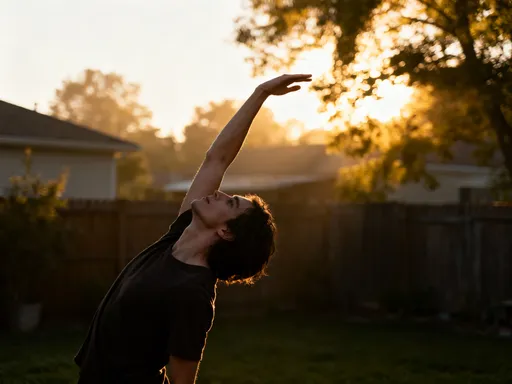
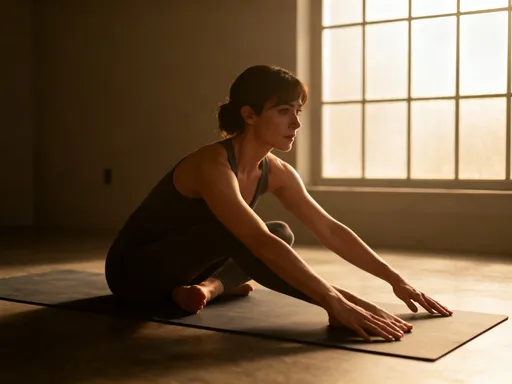
Stretching is another accessible practice that directly impacts the nervous system. Tight muscles are often a physical manifestation of stored stress. When we stretch—especially areas like the neck, shoulders, and hips—we release tension and improve circulation. Simple seated forward bends, shoulder rolls, or gentle neck tilts can be done at home, without special equipment. The key is consistency, not duration. Even five minutes a day can make a difference. The message is clear: movement doesn’t have to be strenuous to be effective. What matters most is showing up regularly, listening to your body, and choosing activities that feel nourishing rather than draining.
The Hidden Trigger: How Food and Caffeine Shape Your Mood
It’s easy to overlook the connection between what we eat and how we feel. Yet the gut and brain are deeply linked through the gut-brain axis, a complex network of nerves and biochemical signals. When blood sugar fluctuates rapidly, the brain interprets this as a threat, triggering the release of stress hormones. This is why skipping meals, relying on sugary snacks, or consuming large amounts of caffeine can mimic or worsen anxiety symptoms—jitteriness, racing heart, irritability—making it harder to distinguish between physical and emotional distress.
Caffeine, in particular, is a common but often unrecognized contributor to anxiety. While a morning coffee may feel like a necessity, it acts as a stimulant that increases heart rate and alertness—effects that can easily tip into anxiety for sensitive individuals. Consuming caffeine late in the day can also disrupt sleep, creating a cycle where poor rest leads to more fatigue, which leads to more caffeine, which worsens anxiety. Switching to herbal tea—such as chamomile, passionflower, or rooibos—in the afternoon can reduce stimulation while still providing a comforting ritual.
Dietary balance is another key factor. Meals and snacks that combine protein, healthy fats, and complex carbohydrates help stabilize blood sugar and sustain energy. For example, pairing an apple with almond butter, or having eggs with whole-grain toast, provides lasting fuel without the crash. Staying hydrated is equally important—dehydration can cause dizziness and fatigue, which the brain may misinterpret as signs of danger. The goal is not perfection or restrictive eating, but awareness. Small, sustainable changes—like eating regular meals, reducing processed sugars, and listening to hunger cues—can have a significant impact on mental clarity and emotional stability.
Digital Detox: Reclaiming Mental Space in a Hyperconnected World
We live in an age of constant connection, where notifications, messages, and endless scrolling have become the norm. While technology offers convenience and connection, it also demands continuous attention, fragmenting focus and keeping the brain in a state of low-grade alertness. This digital overload mimics chronic stress, making it harder to relax, concentrate, or simply be present. For many, the habit of checking the phone first thing in the morning and last thing at night has become automatic, yet it undermines mental calm and sleep quality.
Reclaiming mental space begins with setting boundaries. One effective strategy is to establish tech-free zones or times—such as the first 30 minutes after waking or the hour before bed. During these periods, engage in calming activities like reading a physical book, journaling, or preparing a warm drink. Another helpful practice is to turn off non-essential notifications, reducing the frequency of interruptions. This doesn’t mean cutting off from the world, but rather choosing when and how to engage. Intentionality is the goal.
Another powerful step is to create screen-free rituals. For example, instead of scrolling during meals, focus on the taste, texture, and experience of eating. Or, replace late-night social media browsing with a quiet walk, a gratitude list, or gentle stretching. These small shifts help the brain transition from overstimulation to rest. Over time, this builds a greater sense of control and presence. The aim is not to eliminate technology, but to use it in a way that serves well-being rather than depleting it. When we step back from the constant stream of information, we make room for stillness, reflection, and inner peace.
Breathing Beyond the Hype: Simple Techniques That Regulate the Nervous System
Breath is unique—it’s both automatic and voluntary, a bridge between the conscious and unconscious mind. While often dismissed as too simple to be effective, breathing is one of the most direct ways to influence the nervous system. When we change the pattern of our breath, we send signals to the brain that we are safe, which in turn activates the parasympathetic nervous system—the body’s rest-and-digest mode. This counters the fight-or-flight response and brings immediate relief during moments of anxiety.
One accessible technique is diaphragmatic breathing, also known as belly breathing. To practice, place one hand on the chest and the other on the abdomen. Inhale slowly through the nose, allowing the belly to rise while keeping the chest still. Exhale slowly through the mouth, feeling the abdomen fall. Repeating this for just three to five minutes can lower heart rate and reduce tension. Another effective method is box breathing: inhale for four counts, hold for four, exhale for four, and hold for four before repeating. This rhythmic pattern calms the mind and improves focus.
The key to success is practice during calm moments, not just during anxiety. Just as you wouldn’t expect to play a musical instrument well without regular rehearsal, you can’t expect to regulate your breath under stress if you’ve never practiced it in peace. Incorporating a few minutes of intentional breathing into the morning or evening routine builds familiarity and trust in the technique. Over time, it becomes a reliable tool—something you can turn to when worry arises, knowing it has worked before. Breathing is always available, free, and invisible. It’s a quiet power we carry within us, ready to restore balance whenever needed.
Sleep, Rhythm, and the Power of Predictability
Sleep and anxiety share a bidirectional relationship—poor sleep worsens anxiety, and anxiety disrupts sleep. This creates a cycle that can feel impossible to break. Yet improving sleep isn’t just about the number of hours spent in bed; it’s about the quality of the rhythm surrounding it. The body thrives on predictability. When wake and sleep times are consistent—even on weekends—the internal clock, or circadian rhythm, stabilizes, making it easier to fall asleep and wake up feeling refreshed.
One of the most effective sleep hygiene practices is reducing exposure to blue light in the evening. Screens emit blue wavelengths that suppress melatonin, the hormone responsible for sleep onset. Avoiding phones, tablets, and televisions for at least 30 to 60 minutes before bed allows melatonin to rise naturally. Instead, engage in calming activities such as reading, listening to soft music, or taking a warm bath. These rituals signal to the brain that it’s time to wind down.
Creating a bedtime routine is equally important. This doesn’t have to be elaborate—simply following the same sequence each night, such as brushing teeth, washing the face, and setting out clothes for the next day, reinforces a sense of order and safety. A consistent routine reduces decision fatigue and mental chatter, making it easier to let go of the day’s stresses. Additionally, keeping the bedroom cool, dark, and quiet supports optimal sleep conditions. Over time, these habits train the brain to associate the bedroom with rest, not worry. When sleep improves, the mind becomes more resilient, better able to handle daily challenges without spiraling into anxiety.
Small Habits, Big Shifts—Building a Calmer Life
True relief from anxiety doesn’t come from a single dramatic intervention, but from the quiet accumulation of small, consistent choices. Each habit—whether it’s a mindful morning, a daily walk, a balanced snack, or a screen-free evening—contributes to a larger system of support. These changes may seem minor on their own, but together, they reshape the nervous system’s baseline, moving it from a state of reactivity to one of calm. Progress is rarely linear, and setbacks are normal. What matters is the willingness to return to these practices, not perfection.
It’s also important to recognize that self-care is not selfish—it’s essential. For many women, especially those in caregiving roles, the idea of prioritizing their own well-being can feel indulgent or even guilt-inducing. Yet nurturing oneself is not a luxury; it’s a necessity. When you are calmer, you are more present, more patient, and more capable of showing up for others. These lifestyle changes are not about fixing a flaw, but about honoring the body’s need for balance and care.
And while natural strategies can be powerful, they are not a substitute for professional help when needed. If anxiety feels overwhelming or unmanageable, reaching out to a healthcare provider is a courageous and wise step. The goal is not to do everything at once, but to begin where you are. Pick one habit—perhaps starting the day without the phone, or taking a short walk after dinner—and commit to it for a week. Notice how it feels. Then, if ready, add another. Over time, these small acts of kindness to yourself build a life that feels more grounded, more peaceful, and more in your control. You don’t need to change everything to feel better. You just need to begin.