How I Tamed My Lipids Without Pills — A Real Prevention Story
High lipids quietly raised my health risks, but I refused to wait for a diagnosis. Instead, I dug into real, science-backed changes that shift your body’s balance. No magic, no extremes—just consistent, doable steps that protect your heart long-term. This is what actually worked for me, and why prevention beats reaction every time.
The Wake-Up Call: When My Blood Test Changed Everything
A routine blood test at my annual physical revealed something unsettling: my total cholesterol was just above the optimal range, and my triglycerides were elevated. My doctor called it "borderline," suggesting I "keep an eye on it." But for me, those words weren’t a mild warning—they were a wake-up call. I was 47, a mother of two, and had always considered myself healthy. I didn’t smoke, drank alcohol occasionally, and walked my dog most days. Yet here was clear evidence that my internal health was drifting off course, even though I felt perfectly fine.
What struck me most was the silence of it all. There were no chest pains, no fatigue, no obvious signs that anything was wrong. That’s the danger of lipid imbalances—they progress quietly, often for years, without symptoms. By the time most people discover them, damage to the arteries may already be underway. According to the Centers for Disease Control and Prevention, nearly 94 million American adults have total cholesterol levels above 200 mg/dL, and more than half are unaware of it. I was one of them, until that test.
Emotionally, the news stirred a mix of fear and determination. Fear, because I knew heart disease runs in families and is the leading cause of death among women in the United States. Determination, because I realized I had a rare opportunity: to act before a crisis. Instead of accepting medication as the default next step, I asked my doctor if lifestyle changes could make a difference. Her answer—"Yes, especially if you start now"—became the foundation of my journey. I didn’t want to treat a number; I wanted to understand the root causes and restore balance from within.
What Lipids Really Are (And Why They’re Not the Enemy)
Before making any changes, I needed to understand what lipids actually are. Many people hear "cholesterol" and immediately think "bad," but that’s a dangerous oversimplification. Lipids—primarily cholesterol and triglycerides—are essential fats that your body needs to function. Cholesterol helps build cell membranes, produce hormones like estrogen and cortisol, and synthesize vitamin D. Triglycerides store energy from the food you eat and fuel your muscles between meals. Without them, life would not be possible.
The problem isn’t the presence of lipids, but their imbalance. Cholesterol travels through the blood in packages called lipoproteins. The two most discussed are low-density lipoprotein (LDL) and high-density lipoprotein (HDL). Often labeled "bad" and "good" cholesterol, this shorthand can be misleading. The real issue lies in the type and behavior of LDL particles. Small, dense LDL particles are more likely to penetrate artery walls, become oxidized, and trigger inflammation—a key driver of atherosclerosis. In contrast, large, buoyant LDL particles are less harmful. Meanwhile, HDL helps remove excess cholesterol from the bloodstream and transport it back to the liver for disposal.
Triglycerides also play a critical role. When levels rise—often due to excess carbohydrate intake, inactivity, or insulin resistance—they contribute to a pro-inflammatory state and lower HDL. The triglyceride-to-HDL ratio is now recognized as a powerful predictor of cardiovascular risk, even more so than total cholesterol in some studies. What many don’t realize is that chronic inflammation and oxidative stress, not cholesterol alone, are the true culprits behind arterial damage. This shift in understanding changed my perspective: instead of fearing fat, I focused on reducing inflammation and supporting my body’s natural lipid regulation.
The Hidden Triggers: What Was Quietly Spiking My Levels
Once I understood the science, I began investigating what might be disrupting my lipid profile. At first, I assumed diet was the only factor—perhaps too much cheese or red meat. But after reviewing my habits, I discovered three hidden triggers that were working behind the scenes: processed carbohydrates, chronic stress, and a sedentary lifestyle.
The biggest surprise was sugar in disguise. I didn’t drink soda or eat candy regularly, but I did consume what I thought were "healthy" foods—granola bars, flavored yogurt, store-bought smoothies, and whole grain cereals. Many of these products contain added sugars, often listed under names like cane syrup, fruit concentrate, or maltodextrin. When I started reading labels, I was shocked to find some yogurts had as much sugar as dessert. These refined carbs spike blood glucose, prompting the pancreas to release insulin. Over time, high insulin levels signal the liver to produce more triglycerides and small dense LDL particles, directly worsening lipid profiles.
Second, my stress levels were higher than I admitted. Juggling work, family, and household responsibilities left little time for rest. I often stayed up late answering emails or worrying about deadlines. Chronic stress elevates cortisol, a hormone that increases blood sugar and stimulates the liver to produce more triglycerides. It also promotes fat storage around the abdomen, which is closely linked to insulin resistance and poor lipid metabolism. I hadn’t connected my anxiety with my blood work, but the link was clear.
Finally, my physical activity was inconsistent. While I walked my dog, I spent most of my day sitting—at my desk, in the car, on the couch. Prolonged sitting slows metabolism, reduces insulin sensitivity, and lowers HDL levels. Research shows that even moderate physical inactivity can negatively affect lipid profiles within weeks. I wasn’t inactive, but I wasn’t active enough in the right ways. These three factors—dietary sugars, stress, and inactivity—were quietly amplifying each other, creating a perfect storm for lipid imbalance.
Food as Foundation: The 3 Daily Shifts That Made a Difference
Armed with this knowledge, I focused on food as the foundation of change. I didn’t adopt a restrictive diet or eliminate entire food groups. Instead, I made three sustainable shifts that targeted the root causes of my lipid issues.
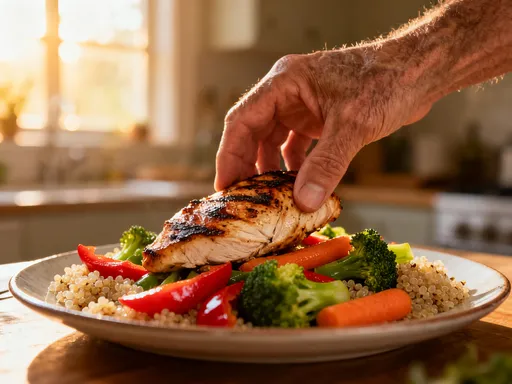
First, I replaced refined carbohydrates with fiber-rich whole foods. Instead of toast with jam for breakfast, I switched to oatmeal topped with berries, chia seeds, and a sprinkle of cinnamon. The soluble fiber in oats binds to cholesterol in the digestive tract and helps remove it from the body. I also began choosing whole fruits over fruit juices and swapping white rice for quinoa or barley. These changes stabilized my blood sugar, reduced insulin spikes, and lowered triglyceride production in the liver.
Second, I increased my intake of healthy fats. For years, I’d avoided fats, believing they would raise my cholesterol. But the truth is, the right fats support heart health. I started adding half an avocado to my lunch, snacking on a small handful of raw almonds or walnuts, and using extra virgin olive oil for cooking and dressings. These foods are rich in monounsaturated and polyunsaturated fats, which have been shown to improve HDL levels, reduce inflammation, and decrease small dense LDL particles. Omega-3 fatty acids, found in fatty fish like salmon and in flaxseeds, are especially effective at lowering triglycerides.
Third, I began paying attention to meal timing. I stopped eating late at night and aimed to finish dinner at least three hours before bed. This simple change supported my body’s natural circadian rhythm and gave my liver time to process fats efficiently. I also practiced mindful eating—sitting down for meals, chewing slowly, and avoiding distractions. This helped me recognize fullness cues and prevented overeating, which can strain lipid metabolism. These three shifts—more fiber, better fats, and smarter timing—didn’t feel like deprivation. Instead, they became natural parts of my daily routine, and within three months, my follow-up blood test showed measurable improvement.
Movement That Works: Not More Exercise, But Smarter Habits
I’ll admit it: I’ve never been someone who enjoys intense workouts. Gyms feel intimidating, and high-intensity routines often lead to burnout. But I learned that effective movement for lipid control doesn’t require running marathons or lifting heavy weights. What matters most is consistency and metabolic activation.
I started by increasing my daily walking. Instead of parking close to the entrance, I chose spots farther away. I took short walks after meals, especially dinner, which research shows can help regulate blood sugar and improve fat metabolism. A 20-minute walk after eating can reduce post-meal triglyceride spikes by enhancing insulin sensitivity and activating lipoprotein lipase, an enzyme that breaks down fats in the bloodstream.
I also incorporated more standing and light activity throughout the day. I set a timer to stand up every hour, stretch, or do a few squats while waiting for the kettle to boil. I switched to a standing desk for part of my workday and did simple resistance exercises at home—like wall push-ups, chair squats, and resistance band rows. These activities build lean muscle, which burns more calories at rest and improves the body’s ability to manage fats.
The key was making movement a seamless part of my life, not a chore. I didn’t aim for perfection or track every step. Instead, I focused on building habits that fit my lifestyle. Over time, these small efforts added up. My energy improved, my clothes fit better, and my blood work reflected the benefits: HDL increased, triglycerides dropped, and my overall cardiovascular risk profile improved. The message was clear: you don’t need extreme exercise to support your heart. You need regular, sustainable movement that respects your body and your time.
Sleep, Stress, and the Silent Lipid Disruptors
One of the most profound lessons I learned was that healing doesn’t happen only at the dinner table or on the walking path. It also happens in the quiet moments of rest and mental calm. Sleep and stress management are powerful, yet often overlooked, regulators of lipid metabolism.
I used to view sleep as a luxury, something to sacrifice when life got busy. But poor sleep disrupts hormones that control appetite, stress, and fat storage. When I consistently slept less than seven hours, I noticed I craved sugary snacks, felt more irritable, and had less motivation to move. Scientific studies confirm this: sleep deprivation increases cortisol and ghrelin (the hunger hormone) while reducing leptin (the satiety hormone). It also impairs insulin sensitivity, leading to higher triglyceride production. By prioritizing sleep—setting a consistent bedtime, reducing screen time before bed, and creating a calming routine—I gave my body the chance to reset and repair.
Stress management was equally transformative. I began practicing simple mindfulness techniques: five minutes of deep breathing in the morning, a short gratitude journal before bed, and intentional pauses during the day to check in with myself. I also learned to say no—protecting my time and energy became an act of self-care. These habits didn’t eliminate stress, but they helped me respond to it more calmly. As my stress levels decreased, so did my cortisol, which in turn reduced the liver’s overproduction of triglycerides.
What surprised me most was how interconnected these factors were. Better sleep improved my mood, which made it easier to stick to healthy eating. Reduced stress gave me more energy to move. And all of it contributed to better lipid balance. I realized that true health isn’t just about what you eat or how much you exercise. It’s about creating a lifestyle that supports your body’s natural rhythms and resilience.
Why Prevention Is the Smartest Long-Term Investment
Looking back, I see my journey not as a reaction to a lab result, but as an investment in my future. Lowering my lipids wasn’t just about avoiding medication or heart disease. It was about gaining energy, mental clarity, and the confidence that I’m doing everything I can to stay healthy for my family and myself.
Prevention is often misunderstood as something you do when you’re already unwell. But the truth is, the best time to act is before problems arise. The human body is remarkably adaptive. Given the right support—nutritious food, regular movement, quality sleep, and emotional balance—it can restore balance and protect itself. The changes I made weren’t drastic, but they were consistent. And consistency, not intensity, is what leads to lasting results.
Heart disease develops over decades, often beginning in early adulthood. Yet most people don’t think about prevention until symptoms appear. By then, the process may be advanced and harder to reverse. But when you start early, even small improvements compound over time. Eating more fiber today means less arterial inflammation tomorrow. Walking daily builds cardiovascular resilience. Managing stress protects your metabolism. These choices may seem minor in the moment, but together, they form a powerful shield against chronic disease.
And perhaps the greatest benefit is freedom—the freedom to live without fear, to enjoy meals without guilt, to move without pain, and to age with strength. That’s the real promise of prevention: not just a longer life, but a better one. It’s not about perfection. It’s about progress, awareness, and the quiet commitment to care for yourself every single day.
Conclusion: My Lipid Journey, and What It Means for You
My story isn’t unique. Millions of women face similar wake-up calls every year. But it is proof that change is possible—without pills, without extremes, and without waiting for a crisis. The path to better lipid health begins with awareness. It grows through small, consistent choices. And it thrives with support, whether from a doctor, a loved one, or your own growing knowledge.
I didn’t transform my health overnight. It took months of learning, adjusting, and staying patient. There were days I slipped back into old habits, and that’s okay. What mattered was returning to my goals with compassion, not criticism. I worked with my doctor to monitor my progress, ensuring my approach was safe and effective. And I learned to celebrate non-scale victories: more energy, better sleep, clearer skin, and a sense of control over my well-being.
If you’re reading this and recognizing your own story, know this: you don’t have to wait. You don’t need a diagnosis to start. You can begin today—by reading a food label, taking a walk after dinner, going to bed 30 minutes earlier, or simply pausing to breathe. These acts of daily care may seem small, but they are powerful. They are the quiet rebellion against the idea that aging means decline. They are the foundation of a heart-healthy life.
Prevention isn’t a one-time fix. It’s a lifelong practice. And it’s the smartest investment you can make in your health, your family, and your future. My lipids are now within optimal range, but the journey continues. Because true health isn’t a destination—it’s a daily promise to yourself.