How I Turned Everyday Experiences Into Smart Assets
What if your weekend getaway or favorite coffee habit could actually grow your wealth instead of draining it? I used to think experience spending was just a cost—until I realized how shifting my mindset transformed these moments into long-term value. This isn’t about cutting back; it’s about upgrading how you spend. Let me walk you through how rethinking experience consumption became one of the most effective moves in my asset growth strategy. By reframing seemingly ordinary moments as opportunities for skill building, relationship development, and personal branding, I’ve turned what once felt like indulgences into measurable financial advantages. The result? Greater confidence, expanded opportunities, and a deeper sense of purpose in how I allocate both time and money.
The Hidden Cost of Experiences (And the Missed Opportunity)
Most people treat experiences—dining out, weekend trips, concerts, or workshops—as nonessential expenses with no tangible return. They are often categorized as discretionary spending, something to feel guilty about when reviewing monthly budgets. Yet this narrow view overlooks a powerful truth: not all spending is equal. While some experiences vanish after the moment passes, others generate lasting value that compounds over time. The real cost of experiences isn’t just the price tag; it’s the opportunity lost when we fail to recognize their potential as tools for growth. When I began tracking my spending not just by amount but by impact, I discovered a pattern—certain experiences led to unexpected benefits, such as new skills, improved confidence, or professional connections. These were not mere pleasures; they were investments in disguise.
The distinction lies in intentionality. A spontaneous brunch with friends might bring joy, but a cooking class with the same price tag could lead to a new hobby, a side income stream, or even a career pivot. The financial difference between these two choices isn’t in the cost—it’s in the return. Many individuals operate under the assumption that saving means reducing all nonessential spending, but that approach can backfire. Depriving oneself of meaningful experiences may save money in the short term, but it can also limit personal development, creativity, and emotional well-being—key drivers of long-term financial success. The missed opportunity, then, is not just the money spent, but the potential left unrealized because we didn’t choose experiences that serve multiple purposes.
One of the most common financial regrets I’ve heard from others is not taking that course, attending that conference, or traveling to that destination when they had the chance. Time and again, people realize too late that those moments could have opened doors—professionally, personally, or emotionally. The lesson is clear: experiences should not be measured solely by their immediate enjoyment, but by their long-term ripple effects. When we begin to see experience spending as a form of capital allocation, we shift from passive consumers to active investors in ourselves. This mindset doesn’t require a larger budget; it requires a redefinition of value. Instead of asking, “Can I afford this?” we start asking, “What could this experience make possible?” That simple shift changes everything.
Redefining Experience Spending: From Consumption to Investment
Changing how we view experience spending means moving beyond the binary of “needs versus wants” and embracing a third category: investments in self. This reclassification isn’t about justifying every purchase; it’s about recognizing that some forms of spending generate returns that traditional financial metrics don’t capture. A weekend retreat may not appear on a balance sheet, but the clarity and renewed focus it brings can lead to better decision-making, increased productivity, and improved relationships—all of which contribute to financial well-being. The key is to distinguish between passive consumption and active enrichment. Passive experiences provide temporary pleasure but leave little behind. Active experiences, on the other hand, build knowledge, expand networks, or enhance well-being in ways that continue to pay dividends long after the event ends.
Consider two scenarios: one person spends $200 on a dinner at a high-end restaurant, while another spends the same amount on a weekend photography workshop. Both are discretionary, both bring enjoyment—but only one includes a measurable skill gain. The workshop participant now has new technical abilities, a portfolio of images, and potentially a new creative outlet that could evolve into freelance work. The dinner, while enjoyable, leaves no lasting asset. This doesn’t mean luxury dining is wasteful, but it highlights the importance of balance and intention. When we approach experience spending with the same care we apply to financial investments—assessing risk, return, and alignment with goals—we begin to make choices that serve both immediate satisfaction and long-term growth.
One practical way to implement this shift is by applying a simple evaluation framework before making discretionary spending decisions. Ask: Does this experience teach me something new? Can it connect me with people who inspire or challenge me? Will it improve my health, energy, or mental clarity? If the answer to at least one of these questions is yes, the experience moves closer to the category of investment. I started using this filter two years ago, and it transformed how I plan weekends, vacations, and even casual outings. Instead of defaulting to familiar routines, I seek out activities that offer both enjoyment and enrichment. This doesn’t mean every outing must be productive, but it ensures that a meaningful portion of my discretionary spending contributes to my broader life and financial goals.
The Skill Multiplier: Learning That Pays Long-Term Dividends
Among the most reliable ways experiences build wealth is through skill acquisition. Unlike material purchases, which depreciate over time, skills appreciate. The ability to speak another language, write persuasively, cook nutritious meals, or manage stress effectively does not lose value—it compounds. Each new skill increases your adaptability, confidence, and earning potential. I learned this firsthand when I invested in a public speaking course after years of avoiding presentations at work. The course cost several hundred dollars and required time and effort, but within months, I was leading team meetings with confidence. That shift in presence led to greater visibility, recognition from leadership, and eventually, a promotion. The return on investment was not just financial—it was transformative.
What makes skill-building experiences so powerful is their multiplier effect. A single workshop can lead to improved performance at work, which leads to raises or promotions, which leads to greater financial stability and opportunity. The initial cost fades in comparison to the long-term gains. Consider creative pursuits: taking a pottery class might seem like a hobby, but it cultivates patience, problem-solving, and attention to detail—qualities that transfer to professional settings. Similarly, a fitness program isn’t just about physical health; it builds discipline, resilience, and energy levels that enhance productivity. These are not incidental benefits—they are measurable contributors to financial success.
Another advantage of learning through experiences is that it often feels less like work and more like engagement. Traditional education can feel rigid or disconnected from real life, but experiential learning—such as cooking classes, travel immersion, or hands-on workshops—feels immediate and relevant. This increases retention and motivation, making it more likely that the skill will be applied and refined over time. I’ve found that when I learn something in a dynamic, enjoyable setting, I’m more likely to continue practicing it. For example, after taking a beginner’s Spanish course during a trip to Spain, I continued studying online and eventually reached conversational fluency. That skill has since helped me connect with colleagues, understand cultural nuances in global markets, and even assist family members in medical settings. The initial experience unlocked a chain of benefits that continue to unfold.
Networking as an Invisible Asset Class
Some of the most valuable financial opportunities I’ve encountered began not with a stock tip or real estate deal, but with a conversation at a workshop, a chance meeting at a conference, or a coffee with an old acquaintance. Unlike traditional assets, relationships don’t appear on financial statements, but they often yield higher returns than any investment fund. Strategic experience spending includes choosing events and activities where meaningful connections can form. I used to avoid networking events, seeing them as artificial or awkward. But when I shifted my mindset—from “I have to sell myself” to “I want to learn something and meet one interesting person”—everything changed. That simple reframe turned what felt like an obligation into an opportunity.
The power of networking lies in its compounding nature. One introduction leads to another, which leads to collaboration, mentorship, or unexpected job offers. These outcomes are rarely immediate, but over time, a strong network becomes a safety net, a source of ideas, and a gateway to opportunities that wouldn’t exist otherwise. I attended a local entrepreneurship event not knowing anyone, with no agenda other than to listen and observe. During a break, I struck up a conversation with a woman who ran a small catering business. We discovered shared interests in sustainable food practices, and that casual chat eventually led to a joint workshop we co-hosted. The event generated income for both of us and expanded our customer bases. None of that would have happened if I had stayed home, assuming such events weren’t for me.
What makes networking through experiences so effective is its authenticity. Unlike cold outreach or formal introductions, connections formed in shared learning or creative environments are built on common interests and mutual respect. When you meet someone in a cooking class, a writing group, or a wellness retreat, you’re not just exchanging business cards—you’re sharing an experience. That shared context creates trust and opens the door to deeper collaboration. The key is to approach these moments with curiosity rather than transactional intent. Ask questions, listen actively, and focus on how you can add value to others. Over time, this approach builds a network that feels supportive rather than stressful—and that, in itself, is a form of wealth.
Health and Energy: The Foundation of Wealth Creation
No financial strategy can succeed without the physical and mental energy to execute it. Yet many people treat health-related spending—gym memberships, therapy, nutrition coaching, or restorative retreats—as luxuries to be cut when budgets tighten. This is a critical mistake. Your body and mind are the engines of your financial life. When you’re exhausted, anxious, or unwell, decision-making suffers, motivation fades, and opportunities are missed. I learned this the hard way after a period of chronic overwork left me physically depleted and emotionally drained. I had been prioritizing income-generating activities over self-care, believing rest was unproductive. But the truth is, rest is not the opposite of productivity—it’s a prerequisite for it.
Investing in health is one of the highest-return financial decisions you can make. Regular exercise improves focus, reduces stress, and increases stamina—qualities that directly impact job performance and entrepreneurial drive. Therapy and counseling help process emotions, improve relationships, and build resilience in the face of setbacks. Even something as simple as a weekend digital detox can reset your nervous system and restore creativity. These are not indulgences; they are maintenance for your most valuable asset: yourself. I began scheduling self-care with the same seriousness I applied to business meetings. I blocked time for walks, prioritized sleep, and committed to therapy without apology. The results were immediate—sharper thinking, better communication, and a renewed sense of control over my life and finances.
Moreover, good health reduces long-term financial risk. Preventative care, stress management, and healthy habits lower the likelihood of costly medical issues down the road. The money spent on a yoga class or a nutritionist today may prevent thousands in medical bills tomorrow. This is not speculative—it’s supported by decades of public health research. When you view wellness spending through a financial lens, it becomes clear that protecting your energy is not a cost, but a strategic investment. It ensures you remain capable of earning, growing, and adapting in an ever-changing economic landscape. The richest people aren’t just those with the most money—they’re those with the vitality to enjoy it and the stamina to keep creating it.
Curating Experiences That Build Your Personal Brand
In today’s digital economy, your reputation is one of your most valuable assets. How you’re perceived—your expertise, reliability, and authenticity—can open doors to opportunities that money alone cannot buy. Thoughtfully curated experiences can serve as building blocks for your personal brand. When you share your journey—whether through a blog, social media, or casual conversation—you create a narrative of growth, curiosity, and competence. I started documenting my cooking experiments online not to become an influencer, but to stay accountable and track my progress. Over time, friends began asking for recipes, then local events invited me to demonstrate techniques, and eventually, a food magazine offered a freelance writing assignment. None of this was planned, but it was made possible by the visibility I gained through consistent, authentic sharing.
The key to leveraging experiences for personal branding is intentionality and consistency. It’s not about chasing virality or presenting a perfect image. It’s about showing up, learning openly, and contributing value. Teaching a workshop, publishing a travel reflection, or even sharing lessons from a failed project can position you as someone who learns, adapts, and shares. These acts build trust and recognition over time. I’ve seen friends launch small businesses after years of quietly sharing their craft online—knitting patterns, gardening tips, home organization ideas. Their audiences grew slowly, but when they launched products or services, they already had a community ready to support them. This is the power of experiential branding: it turns personal growth into professional opportunity.
What makes this approach sustainable is that it aligns enjoyment with purpose. You’re not forcing yourself to do things just for exposure—you’re engaging in activities you love and allowing their value to be seen. The documentation becomes a natural extension of the experience, not a performance. Over time, this builds a body of work that speaks for itself. Employers, clients, and collaborators can see not just what you’ve done, but how you think, solve problems, and engage with the world. In a competitive job market or entrepreneurial landscape, that differentiation is priceless. Your experiences, when shared with authenticity, become proof of your value.
Balancing Enjoyment and Strategy: The Real Art of Spending
The goal of turning experiences into assets is not to eliminate fun or turn every moment into a productivity exercise. Life is meant to be enjoyed, and joy itself has intrinsic value. The real art lies in balance—spending in ways that honor both pleasure and purpose. I still go out for coffee with friends just to laugh, attend concerts for the music, and take weekend trips with no agenda. But now, I also make room for experiences that challenge me, teach me, and connect me. This balanced approach has reduced financial guilt and increased overall satisfaction. I no longer feel torn between saving and living; instead, I see them as complementary.
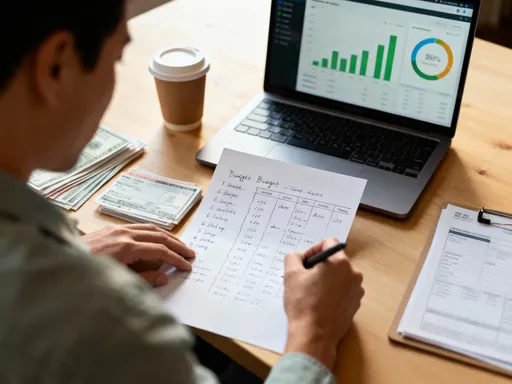
One practical way to maintain this balance is to allocate a portion of your discretionary budget to “growth experiences” while preserving space for pure enjoyment. For example, if you have $300 a month for nonessential spending, you might dedicate $150 to classes, events, or wellness activities that serve long-term goals, and $150 to spontaneous dinners, movies, or gifts. This ensures you’re investing in your future without sacrificing present joy. Over time, you may find that the line between the two blurs—what starts as a learning experience can become a source of deep enjoyment, and what begins as leisure can lead to unexpected growth.
The richest asset you can accumulate is not a number in a bank account, but a life of meaning, connection, and continuous growth. When you align your spending with your values and goals, every dollar becomes a vote for the kind of life you want to live. By rethinking experience consumption—not as waste, but as a form of intelligent investment—you gain more than financial returns. You gain confidence, resilience, and a deeper sense of fulfillment. That is the true measure of wealth. And it begins not with cutting back, but with choosing wisely.